
Outdoor shutters have a much harder job than indoor shutters. They’re sitting outside in the sun, dealing with rain, wind, dust and big temperature changes, sometimes all in the same week. So while an indoor shutter can get away with being chosen mostly for its looks, an outdoor shutter needs to be chosen for what it can actually handle.
This is particularly important in Melbourne. Our weather can be unpredictable, and an outdoor area that feels protected one day can be getting hit by strong afternoon sun or wind-driven rain the next.
If you’re looking at outdoor shutters for an alfresco, deck or patio, the material should be your first decision. For exposed areas, aluminium is the option that makes the most sense. Timber can look fantastic, but outdoors it needs considerably more care and is simply more vulnerable to the weather.
The right outdoor shutter should make your space easier to use, not give you another maintenance job.
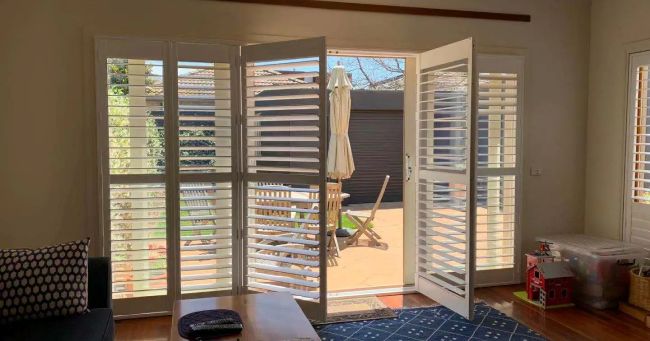
What Melbourne weather does to an exposed shutter
An outdoor shutter doesn’t just have to survive one bad storm. It has to deal with the same conditions repeatedly over many years.
Think about a shutter facing the afternoon sun. It can spend hours heating up, then cool down quickly when the weather changes. Add rain, moisture and wind to the mix, and the material and finish are constantly being put to the test.
UV exposure is one of the biggest concerns. Strong sunlight can gradually fade or deteriorate a poor-quality finish. It might look fine when it’s first installed, but after a few summers, you can start to see the difference.
Moisture is another problem. Timber can absorb water, which can lead to swelling, movement and deterioration if the material and finish aren’t properly maintained. Even when a shutter is partly protected by a roof, wind can still push rain into areas you wouldn’t expect.
Then there’s the wind. Large shutter panels can catch a surprising amount of air, especially on an exposed deck or balcony. That puts pressure on the panels, frame and hardware every time the wind picks up.
This is why outdoor shutters need to be treated differently from indoor window coverings. It isn’t enough to find a shutter that looks good and assume it will work outside.
Where the shutter is being installed matters, too. A covered alfresco with a deep roof overhang is relatively protected. A shutter on an open deck that receives direct sun and rain all day has a much tougher job.
Before choosing the product, think about what the shutter will actually be exposed to. How much direct sun does the opening receive? Does rain blow directly onto it? Is the area sheltered from strong winds? Those details can make a big difference to how well the shutter performs.
Powder-coated aluminium against timber outdoors
If you’re choosing between timber and aluminium for an exposed outdoor shutter, I’d choose aluminium.
That doesn’t mean timber is a poor material. Quite the opposite. Timber works beautifully for many indoor applications because of its warmth and natural appearance. The problem is that outdoor conditions are much less forgiving.
Timber responds to moisture and temperature changes. It can expand and contract, and if the finish starts to deteriorate, the underlying material becomes more vulnerable to the elements. Keeping outdoor timber looking good can mean regular cleaning, refinishing and general upkeep.
That’s a lot of work for something that is supposed to make your outdoor area more enjoyable.
Aluminium is much better suited to the job. It doesn’t absorb moisture in the same way timber does, and it provides a strong but relatively lightweight structure. With a suitable powder-coated finish, it can handle regular exposure to sun and rain without needing the same level of ongoing attention.
That’s why aluminium shutters are such a practical choice for outdoor areas. They’re designed with outdoor conditions in mind rather than taking an indoor product and hoping it survives outside.
The powder coating is important as well. You want a finish that is made for exterior use and can handle UV exposure and changing weather conditions.
Panel size and hardware matter too. A large shutter panel is going to experience more force from wind than a small one, so the frame and hardware need to be appropriate for the opening.
This is particularly important for wide alfresco openings. You might be tempted to use fewer, larger panels because it looks cleaner, but bigger isn’t always better. A sensible panel layout can make the shutters easier to operate and put less strain on the hardware.
For a sheltered outdoor area, you may have more flexibility. But if the shutter is going to be properly exposed to Melbourne weather, aluminium is the option I’d be comfortable recommending.
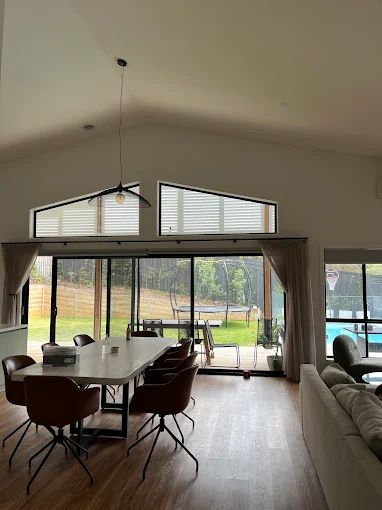
Alfresco, deck and patio: what each one needs
Not every outdoor living area is exposed to the same conditions, so it’s worth looking at where the shutters will actually go.
An alfresco is usually fairly protected because it has a roof overhead. That doesn’t mean it’s completely sheltered, though. Wind can still bring rain through the sides, and some alfresco areas get plenty of afternoon sun.
In this situation, shutters can make the space much more comfortable. You can reduce glare, create some privacy and block wind when you need to, while still keeping the area open when the weather is good.
A deck can be a different story. If it’s completely open, the shutters are going to get much more exposure to rain, wind and UV. This is where choosing a purpose-built outdoor material becomes particularly important.
Patios can go either way. Some are almost completely enclosed, while others are little more than a roof and a few posts. The more exposed the opening, the more carefully you need to think about the shutter material and hardware.
It’s also worth considering which direction the opening faces. A west-facing outdoor area can get hit by strong afternoon sun, while another side of the house might be more exposed to prevailing winds.
How you use the space matters as well.
If your alfresco is where you have friends over on the weekend, you may want shutters that can open right up and get out of the way. If the main reason for installing them is privacy and shade, you may prefer a setup that allows you to adjust the blades throughout the day.
The size of the opening needs some thought too. A very wide opening might look better divided into several panels rather than using a few oversized sections. That can make the shutters easier to handle and reduce the strain placed on each panel.
The goal is to make the outdoor area more usable. You shouldn’t have to fight with the shutters every time you want to open the door or let some fresh air in.
Fixed louvre against adjustable blade
Once you’ve settled on the material, there’s another decision to make: do you want fixed louvres or adjustable blades?
Fixed louvres are fairly straightforward. They provide a permanent screen and can be useful when your main priority is shade, privacy or separating an outdoor area from the rest of the property.
Because they don’t move, there are fewer moving components to worry about. If you already know exactly how much light and airflow you want, a fixed design can be a good solution.
Adjustable blades give you more control, which is why they’re often the better choice for an outdoor living area.
You might want the blades mostly closed when the afternoon sun is hitting the space directly, then open them later when the sun has moved. You can also adjust them when you want more airflow or need a little extra privacy.
That flexibility is particularly useful for an alfresco connected directly to your living room. Instead of choosing between having the shutters completely open or completely closed, you can adjust them to suit the conditions.
There is a little more hardware involved with adjustable blades, so quality and installation matter. Outdoor hardware has to deal with the same weather as the rest of the shutter, and a large panel needs to be properly supported.
For a simple screening solution, fixed louvres can work well. But if you actually want to use the shutters to control sunlight, airflow and privacy, I’d lean towards adjustable blades.
Colour and finish that hold up in UV
Once you’ve spent all that time deciding on the right material and configuration, you still get to choose the colour.
This is the fun part, but there’s a practical side to it as well.
Outdoor shutters spend a lot of time in direct sunlight, so the quality of the finish matters. You don’t want to choose a colour based purely on how it looks on the day of installation and then find that the finish struggles after years of UV exposure.
A good powder-coated aluminium finish is designed for exterior conditions and gives you a durable surface that can cope with regular exposure to the elements.
Neutral colours are popular for a reason. Whites, creams, greys and darker neutrals tend to work well with brick, rendered walls, cladding and other common Melbourne exterior finishes.
You should also look at the rest of the house. If your window frames are already a particular colour, matching or complementing them can make the outdoor shutters look like they were always part of the design.
The amount of sun the shutters receive is worth considering too. A shutter that spends most of the day in full sun is going to experience more heat and UV exposure than one sitting underneath a deep alfresco roof.
Ultimately, choose a finish that is designed for outdoor use and a colour you’ll still be happy looking at several years from now. There’s no need to make the decision more complicated than that.
Maintenance, and how little it needs
This is where choosing aluminium really pays off.
Outdoor shutters are going to get dirty. That’s unavoidable. They’re outside, after all. Dust, pollen, rain marks and general grime will eventually find their way onto the blades and frame.
The good news is that cleaning shouldn’t be a major job.
For most aluminium outdoor shutters, regular cleaning with water and a mild detergent is enough to remove everyday dirt. A soft cloth or sponge can handle areas that need a little more attention.
There’s no reason to attack the finish with harsh chemicals or abrasive cleaning products. Doing that can damage the coating you’re relying on to protect the shutter in the first place.
It’s also worth checking the moving parts every so often. If a panel suddenly feels stiff, starts rubbing or doesn’t move as smoothly as it used to, don’t ignore it. A small adjustment or repair is much easier to deal with before it turns into a bigger problem.
How often you clean the shutters will depend on where they are. A sheltered alfresco might stay relatively clean, while an exposed deck near a road or dusty area will probably need more attention.
But compared with outdoor timber, aluminium should be considerably easier to live with. You shouldn’t be spending your weekends sanding and repainting your shutters just to keep them looking presentable.
Installation matters here too. Even a good outdoor shutter can develop problems if the frame isn’t installed properly or the hardware isn’t suited to the size and conditions of the opening.
That’s why plantation shutter installation is worth getting right from the start. The installer needs to consider the opening, panel sizes, frame, clearance and hardware rather than simply attaching the shutter and calling the job finished.
When all of those things are considered together, outdoor shutters can make a big difference to how you use an alfresco, deck or patio.
And if you’re asking which material is most likely to survive Melbourne weather with the least fuss, there’s a pretty straightforward answer: aluminium.
Timber has its place, particularly indoors, but an exposed outdoor shutter has a much tougher job. Powder-coated aluminium is better suited to sun, moisture and changing temperatures, and it doesn’t ask you to keep refinishing it every few years.
Choose the material for the conditions, get the panel configuration right and have it properly installed. Do that, and your outdoor shutters can spend their time doing what you actually bought them for: making your outdoor space more comfortable and usable.
This version keeps the article direct and practical, but the tone is more relaxed and homeowner-focused rather than sounding like a formal technical guide.